
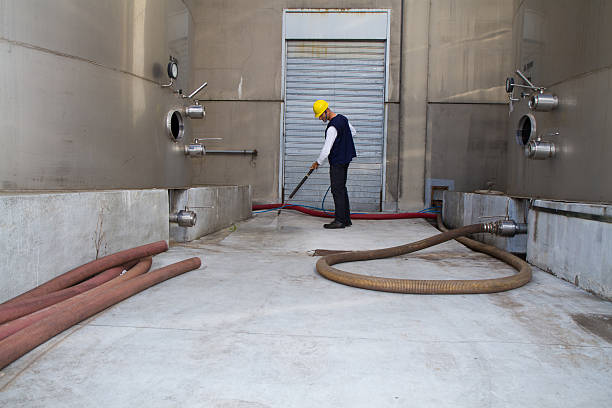
I used to think cleaning was just… cleaning. Like mopping floors, wiping glass, maybe vacuuming carpets and calling it a day. But the more I looked into how factories and large facilities actually run, the more I realized how deeply businesses rely on Industrial Cleaning Services just to stay open. Not exaggerating. Some industries literally cannot operate for even one shift if cleaning stops. It’s kind of like how your phone works perfectly until storage fills up — suddenly everything slows down, crashes, and you’re wondering what went wrong.
Factories that never really sleep
Manufacturing plants are probably the first thing people imagine, and honestly, they should be. These places run nonstop. Machines heat up, oils leak, dust builds everywhere, and tiny metal particles float around like invisible glitter you definitely don’t want to breathe. A friend of mine once worked at a small automotive parts plant and said the floor looked clean at 9 AM but by lunch it felt like someone sprinkled grease across half the building.
What most people don’t realize is that dirt in factories isn’t just ugly — it’s expensive. Even a thin layer of residue can mess with sensors or cause machines to overheat. One small shutdown can cost lakhs in lost production. I read somewhere (can’t remember where exactly, maybe a Reddit thread discussing plant operations) that a single hour of downtime in certain manufacturing sectors can cost more than a year of cleaning contracts. Sounds dramatic, but honestly believable.
Food processing and the fear of contamination
Food factories take cleaning to another level. And yeah, this is where things get slightly scary. Imagine one tiny contamination issue spreading across thousands of packaged items. Suddenly you’ve got recalls, angry tweets, and news headlines nobody wants.
People online often joke about how sausage is made, but behind that joke is a serious reality. Cleaning teams sanitize equipment constantly because bacteria grows fast in warm environments. Even condensation on ceilings can become a risk. I once saw a behind-the-scenes video on social media showing workers cleaning conveyor belts every few hours — not daily, hourly. That surprised me more than anything.
Also, fun fact most people don’t know: cleaning chemicals themselves have to be carefully controlled so they don’t affect food safety. So it’s not just scrubbing surfaces; it’s science mixed with routine.
Warehouses and logistics hubs quietly depend on it
Warehouses look simple from outside. Big buildings, boxes moving around, forklifts buzzing. But dust is the hidden villain there. Cardboard fibers, tire marks, packaging debris — it piles up faster than you’d think.
With e-commerce growing like crazy (seriously, every week someone online complains about ordering something at midnight and getting it next morning), logistics centers are under pressure to move faster. Dirty floors increase accident risks, especially with forklifts. Slips or blocked pathways slow everything down.
And speed is money in logistics. Even a minor safety incident can delay shipments and create a domino effect across supply chains. That’s why cleaning crews often work overnight so operations look seamless the next morning, almost like resetting a video game level.
Healthcare manufacturing and pharmaceutical spaces
This one surprised me the most when I first learned about it. Pharmaceutical facilities don’t just clean for appearance; they clean for precision. Tiny airborne particles can ruin entire batches of medicine. We’re talking about rooms where air pressure, humidity, and cleanliness are controlled almost obsessively.
A person I chatted with online who works in pharma said workers sometimes notice cleaning staff more than managers because their work directly affects production approval. If surfaces fail cleanliness testing, everything stops. No arguments.
It’s kind of funny how cleaning, which many people see as basic labor, becomes one of the most technically important roles in these environments. Without it, there’s no product to sell at all.
Energy plants and heavy industries
Power plants, oil facilities, and metal processing units deal with extreme conditions. Heat, ash, chemical residue — stuff most of us wouldn’t go near without protective gear. Cleaning here isn’t about shine; it’s about preventing disasters.
Dust buildup in certain environments can actually become combustible. Sounds like something from a movie, but industrial safety discussions online bring this up often. Regular deep cleaning reduces risks that could otherwise lead to equipment failure or worse.
I think people underestimate how much maintenance equals prevention. It’s like brushing your teeth. Skip it once, nothing happens. Skip it for months, suddenly you’re paying a dentist more than you planned.
Why companies don’t treat cleaning as optional anymore
There’s been a shift lately. Businesses used to see cleaning as an expense. Now they treat it like insurance. Social media plays a role too — employees share workplace conditions online faster than ever. One viral post about unsafe or dirty environments can damage a company’s reputation overnight.
Also, regulations are stricter now. Audits, compliance checks, environmental standards… companies can’t just do a quick mop and hope for the best. Professional teams use specialized equipment most facilities wouldn’t even know how to operate.
Honestly, the biggest change is mindset. Clean environments improve worker morale. Sounds small, but people genuinely work better in organized spaces. I’ve noticed it myself even while writing — messy desk equals messy thoughts.
The invisible backbone of daily operations
What’s interesting is how unnoticed this work remains. Nobody celebrates cleaning crews when production runs smoothly. But remove them for a week and chaos shows up immediately. Machines fail faster, safety risks increase, and productivity dips without anyone fully understanding why at first.
That’s probably why industries keep investing more into professional cleaning support year after year. It’s not glamorous, but it’s essential infrastructure, almost like electricity or internet connectivity.
By the time most employees arrive for their shift, everything already feels ready — floors clear, equipment sanitized, hazards removed. That quiet preparation is what keeps industries moving forward every single day. And honestly, once you start noticing it, you realize how many businesses rely heavily on Industrial Cleaning Services without ever talking about it openly. It’s the behind-the-scenes work that keeps entire industries functioning, even if nobody posts about it… unless something goes wrong.