
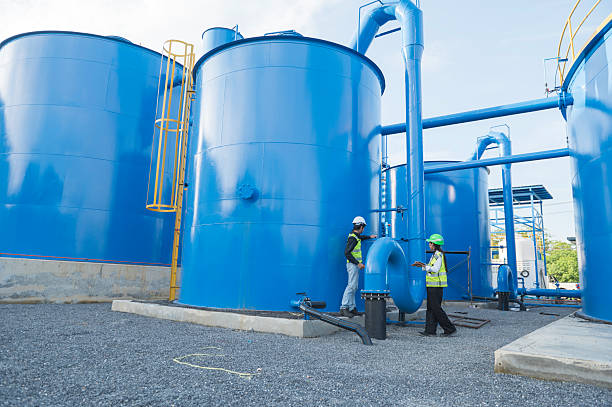
Proper care and management of oil tanks are vital for the well-being of both the environment and personal property. Ignoring basic maintenance or regulatory obligations can lead to hazardous spills, environmental contamination, and expensive cleanup efforts. Homeowners and businesses must regularly monitor their oil tanks to safeguard communities and natural resources.
Effective oil tank management begins with understanding your responsibilities and knowing where to turn for help. For those seeking expert support in the area, oil tank services central valley ny provide specialized inspections, maintenance, and installation to ensure every tank remains in compliance and safe operation.
This guide summarizes best practices for oil tank management as recommended by regional authorities and respected industry sources. Following these guidelines significantly reduces the risk of costly damage and contributes to a healthier, safer environment for all.
Taking proactive steps, such as regular inspections and having reliable response plans, can help prevent emergencies that harm both people and nature. Familiarizing yourself with government resources and industry recommendations empowers you to act promptly and responsibly throughout the lifecycle of an oil tank.
Regular Inspections
One of the most critical steps in oil tank management is conducting thorough inspections at regular intervals. Homeowners should examine their tanks for signs of rust, corrosion, or damage, and check for potential leaks from fittings, valves, or seams. Periodic inspections allow for prompt identification of vulnerabilities before they escalate into major issues. The Pennsylvania Department of Environmental Protection emphasizes the importance of consistently monitoring aboveground tanks, which is outlined in their official maintenance recommendations.
Documentation from regular inspections should be retained for future reference and presented to authorities if required. In addition to visual checks, employing professional services for annual or biennial comprehensive assessments can reveal hidden weaknesses, including buried corrosion or weak weld seams. The increasing availability of ultrasonic thickness testing and leak detection technology makes these evaluations more accurate and accessible for homeowners. Routine testing and logs ensure any anomaly is identified before it becomes an emergency, giving homeowners peace of mind.
Proper Installation
Correct installation ensures that an oil tank operates safely throughout its service life. Tanks should always be placed on solid, level foundations and distanced from flood-prone areas, traffic lanes, or other potential sources of physical damage. Before accepting any fuel, it is crucial that all tanks are thoroughly inspected for leaks, as advised by the New York State Department of Environmental Conservation in their seasonal safety alerts.
When installing new tanks, owners should consider consulting with certified professionals who can advise on location, anchoring methods, secondary containment options, and compliance with local regulations. Proper installation also includes testing all piping and fuel lines connected to the tank for pressure integrity and ensuring adequate ventilation to prevent vapor buildup. Additional safety enhancements, such as automatic shutoff valves and ground-level fill access points, will reduce the potential for accidental releases during refueling events.
Spill Prevention Measures
To protect the environment, every oil tank installation should be equipped with spill prevention technology, such as overfill alarms and secondary containment systems like berms or dikes. Preventive maintenance eliminates the risk of undetected leaks or overflows, which can cause serious and expensive damage. The Environmental Protection Agency (EPA) has underscored the financial and legal consequences of poor spill prevention, having penalized facilities for neglecting their obligations.
Regularly scheduled maintenance of tank components, such as fill pipes, vent pipes, and fittings, helps ensure these systems remain functional. Another integral measure to minimize environmental risk includes monitoring the area surrounding the tank for any signs of discoloration, dead vegetation, or oil odors. Early detection of such symptoms allows for rapid response and prevents widespread soil or groundwater contamination. For commercial facilities, spill control plans and employee training on rapid containment procedures are crucial for mitigating the impact of any incidents.
Regulatory Compliance
Oil tank management is governed by a range of federal, state, and local regulations that are routinely updated to reflect current best practices. It is the owner’s responsibility to remain informed about compliance standards and inspection schedules. Proposed updates from the Pipeline and Hazardous Materials Safety Administration (PHMSA) highlight evolving standards for hazardous liquid storage and stress the need for all tank owners to stay current with inspection intervals, best practices, and compliance mandates.
Many municipalities also require documentation of maintenance, upgrades, and response drills as part of their permitting process. Homeowners and business operators should consult local building or environmental health departments to verify specific requirements for tank registration or certification. These steps ensure operational transparency and reduce the likelihood of non-compliance penalties or denied insurance claims should an incident occur. Owners should also subscribe to regulatory bulletins or alerts so they remain up to date with policy changes affecting their responsibilities.
Emergency Response Planning
Despite best efforts, emergencies can still occur, making it essential to have a clear, actionable emergency response plan. Effective response plans specify immediate containment steps, protective equipment, and emergency contact protocols to minimize environmental and health risks. The New York State Department of Health provides detailed recommendations for managing spills and leaks while prioritizing personal safety, such as ventilating impacted areas and using protective clothing (NY DOH Spill Guidance).
It is vital to rehearse emergency procedures periodically and maintain updated contact information for local authorities, emergency contractors, and insurance providers. Quick action in the event of a leak or large discharge can greatly reduce contamination impacts, limit property damage, and preserve the reputation of property owners or commercial operators. Additional training for household members or employees on spill containment, evacuation procedures, and first aid can further enhance readiness for unexpected situations.
Decommissioning and Replacement
When an oil tank reaches the end of its usable life, it must be properly decommissioned to prevent leaks from aged or compromised structures. Decommissioning procedures include draining, cleaning, and, if necessary, removing the tank entirely. Inspection programs found in states like Vermont enforce timely removal or repair for tanks that are at risk of malfunction or have been red-tagged for safety concerns. Replacement with modern, double-walled, or reinforced designs can greatly reduce long-term risks.
Proper disposal of old tanks and any contaminated soil is crucial to avoid lingering hazards. Accredited contractors are best equipped to handle tank removal and waste disposal in accordance with state and federal guidelines. After a new tank is installed, owners should register it as required, ensure all legal paperwork is completed, and begin a new cycle of documentation for inspections and maintenance. Embracing these proactive, thorough practices not only preserves property value but also contributes to broader public health and safety goals.
Following these essential practices helps individuals and organizations manage oil tanks responsibly and sustainably. By staying vigilant about inspections, proper installation, spill prevention, regulatory compliance, emergency planning, and safe decommissioning, oil tank owners play a vital role in protecting both their assets and the community’s well-being.