
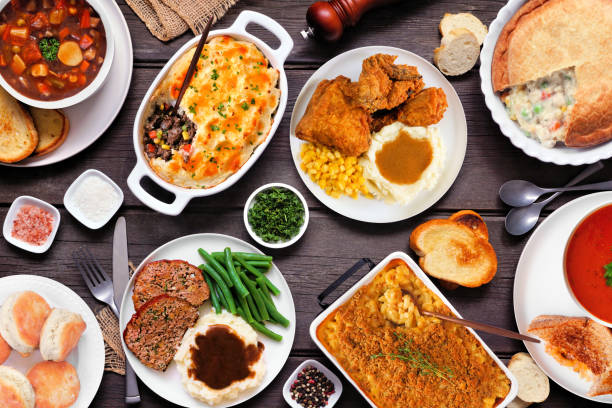
Why do comfort foods feel tied to memories is something I realized the day I ate a very average bowl of dal chawal and felt oddly emotional about it. It wasn’t fancy. It wasn’t even cooked perfectly. But one bite and suddenly I wasn’t in my kitchen anymore. I was ten years younger, sitting at home, not worrying about anything important.
Taste goes straight to memory
Smell and taste have a direct connection to memory. Stronger than sight or sound.
That’s why a single bite can take you back faster than photos ever could.
Your brain stores food memories with emotions. Safety. Warmth. Familiarity.
So when you eat comfort food, you’re not just eating. You’re remembering.
Comfort food comes from safe places
Most comfort foods come from periods when life felt simpler.
Home. Childhood. Carefree moments.
Food cooked by someone who cared about you.
Those feelings stick to the food itself.
Why do comfort foods feel tied to memories is really about emotional safety.
It’s not about quality, it’s about timing
Comfort food doesn’t have to be amazing.
Sometimes it’s under-seasoned. Sometimes too oily.
But it showed up at the right time.
When you were tired. Sick. Sad.
That timing creates attachment.
Routine builds emotional anchors
Eating the same meals repeatedly during important life phases creates familiarity.
That familiarity turns into comfort.
Later, when life feels chaotic, your brain craves that predictability.
Comfort food feels like order in a messy world.
Culture plays a role
Comfort foods differ everywhere, but the emotion is universal.
What matters is shared experience.
Food connects people across generations.
Recipes get passed down, along with stories.
Those layers deepen the emotional bond.
Food becomes identity
Certain dishes represent who we are and where we come from.
Eating them reconnects us to identity.
That sense of belonging feels comforting.
Stress makes comfort food stronger
When stressed, the brain looks for familiarity.
Comfort food provides that.
It’s emotional regulation disguised as eating.
Why do comfort foods feel tied to memories is also about emotional survival.
Why the connection never fades
Even when tastes change, comfort food memories stay.
They age well.
Because they’re not about food.
They’re about moments.
The real reason
Comfort foods don’t just fill your stomach.
They fill emotional gaps.
They remind you of who you were when things felt safe.
And that’s why, no matter how far you go or how fancy you eat, one simple dish can still feel like home.