
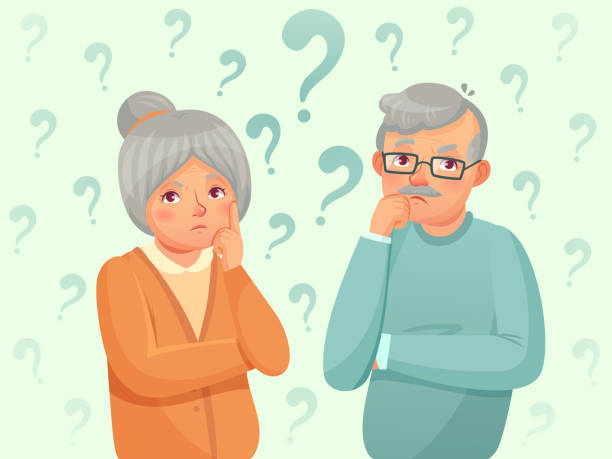
Why does curiosity disappear as we grow older is something I started noticing when I stopped asking stupid questions. Not because I suddenly knew everything, but because asking felt unnecessary… or worse, embarrassing. As kids, we ask why about everything. As adults, we Google quietly and move on. Somewhere in between, curiosity got tired.
We slowly get trained to stop asking
School starts it, honestly. Early on, questions are encouraged. Later, they become interruptions.
Finish the syllabus. Write what’s in the book. Don’t overthink.
By the time we grow up, curiosity feels like extra effort instead of something natural. We learn that answers matter more than questions.
And once that habit forms, it’s hard to shake.
We confuse familiarity with understanding
As we grow older, we see the same things again and again. Work. People. Systems. Routines.
Our brain starts assuming it already knows how things work.
But knowing something exists is not the same as understanding it. We stop digging deeper because it feels unnecessary.
Why does curiosity disappear as we grow older often comes down to comfort. Familiarity makes us lazy thinkers.
Fear replaces wonder
Kids don’t worry about sounding dumb. Adults do.
Curiosity involves risk. Asking questions might expose what you don’t know. It might slow you down. It might make you look unsure.
So we choose safety. We nod. We pretend.
That fear quietly kills curiosity.
Life becomes about efficiency
Adult life rewards speed, not wonder.
Get things done. Be productive. Move on.
Curiosity takes time. It asks you to pause, explore, get distracted.
In a world obsessed with efficiency, curiosity feels like a luxury we can’t afford.
So we suppress it without realizing.
We’re mentally tired all the time
Curiosity needs energy.
When you’re constantly tired, mentally or emotionally, curiosity is the first thing to go.
Bills, responsibilities, pressure. Your brain switches to survival mode.
In survival mode, you don’t explore. You cope.
Why does curiosity disappear as we grow older is often less about age and more about exhaustion.
We already “know” too much
Experience is helpful, but it can also make us closed.
We’ve seen patterns. We’ve been disappointed. We’ve been wrong before.
So we stop being open.
Curiosity requires openness. Experience sometimes builds walls instead.
Social media trains shallow curiosity
We scroll constantly. Headlines. Reels. Shorts.
We get tiny hits of information without depth.
Our curiosity becomes impatient. We want quick answers, not deeper understanding.
That shallow engagement weakens real curiosity over time.
Failure leaves a mark
Trying new things means failing sometimes.
As kids, failure doesn’t stick. As adults, it does.
We remember embarrassment. Mistakes. Judgment.
So we avoid situations where curiosity might lead to failure.
It’s safer to stay within known boundaries.
Curiosity doesn’t disappear completely
Here’s the hopeful part.
Curiosity doesn’t die. It hides.
You see it when someone talks passionately about a hobby. A random interest. A late-night deep dive into something niche.
That spark still exists.
It just needs space.
How curiosity quietly returns
When pressure reduces. When judgment disappears. When learning feels playful again.
Curiosity shows up in safe environments.
With people who don’t mock questions. With time that isn’t rushed.
Why does curiosity disappear as we grow older isn’t permanent. It’s conditional.
The real reason
Why does curiosity disappear as we grow older is not because we become less capable.
It’s because we become more cautious.
We trade wonder for certainty. Questions for answers. Exploration for control.
But curiosity never leaves completely. It waits.
And the moment you allow yourself to not know something again, it comes back quietly, like it was always there.